Pairing with Precision: A Sommelier's Approach to Choosing the Right Olive Oil for Every Dish
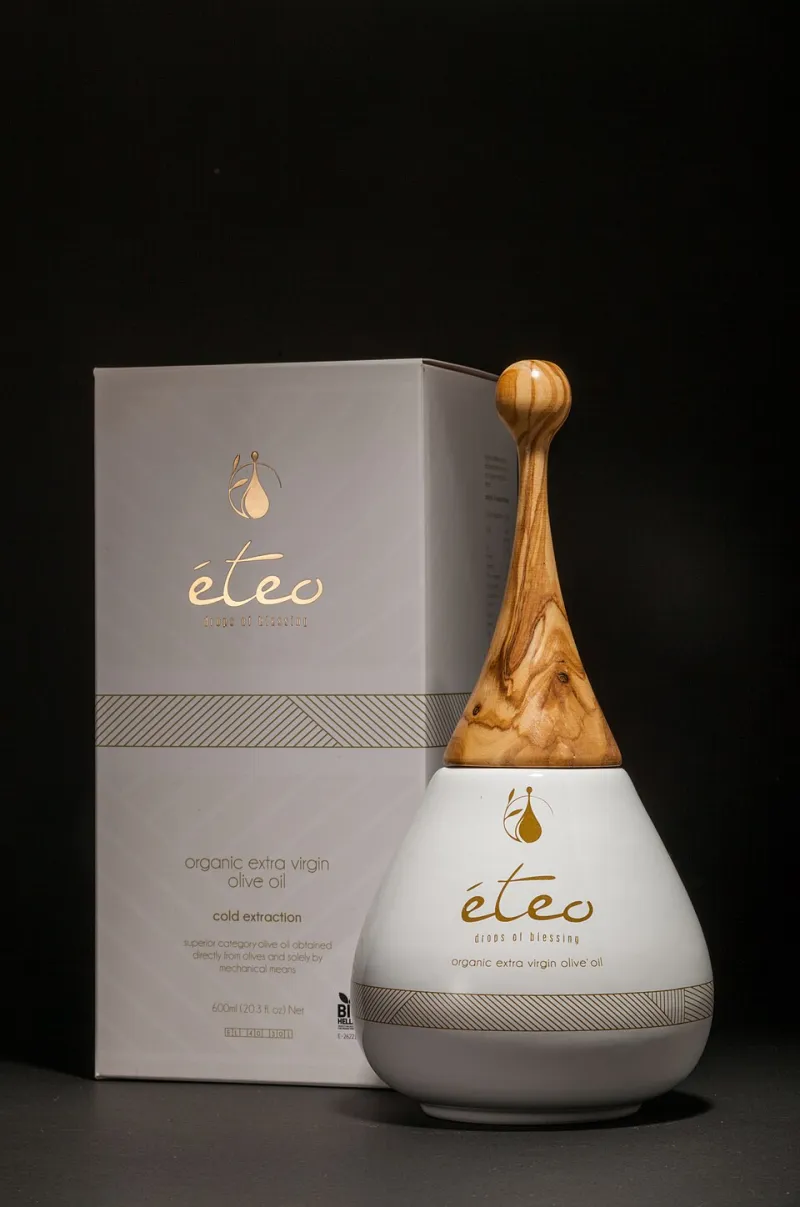
Photo: Eteogoods, CC BY-SA 4.0, via Wikimedia Commons
When a skilled sommelier recommends a wine, the decision is never arbitrary. It emerges from a disciplined understanding of flavor weight, regional character, and the way a particular liquid will interact with what sits on the plate. Premium olive oil deserves precisely the same respect—and, more importantly, the same methodology. Yet most American home cooks, even enthusiastic ones, still reach for a single bottle regardless of whether they are finishing a delicate crudo or ladling broth over a winter braise.
That habit, however well-intentioned, leaves a great deal of pleasure on the table.
At Glassolive, we believe that learning to pair olive oil is not an act of culinary pretension. It is, rather, one of the most accessible ways to bring professional-level nuance into an everyday kitchen. The framework is straightforward once you understand its three pillars: intensity, processing method, and regional provenance.
The First Pillar: Understanding Intensity
Olive oil professionals typically describe intensity along a spectrum running from delicate to medium to robust. These designations are not merely marketing language—they reflect measurable differences in polyphenol content, harvest timing, and olive variety that produce genuinely distinct sensory experiences.
Delicate oils present soft, buttery, or subtly grassy notes with minimal bitterness and almost no peppery finish. They are harvested later in the season, when olives have fully ripened, or are pressed from varieties that are naturally mild by nature.
Medium-intensity oils occupy the productive middle ground: balanced fruitiness, moderate bitterness, and a gentle warmth at the back of the throat. These are the workhorses of a well-stocked pantry, versatile enough for a wide range of applications without overwhelming any single ingredient.
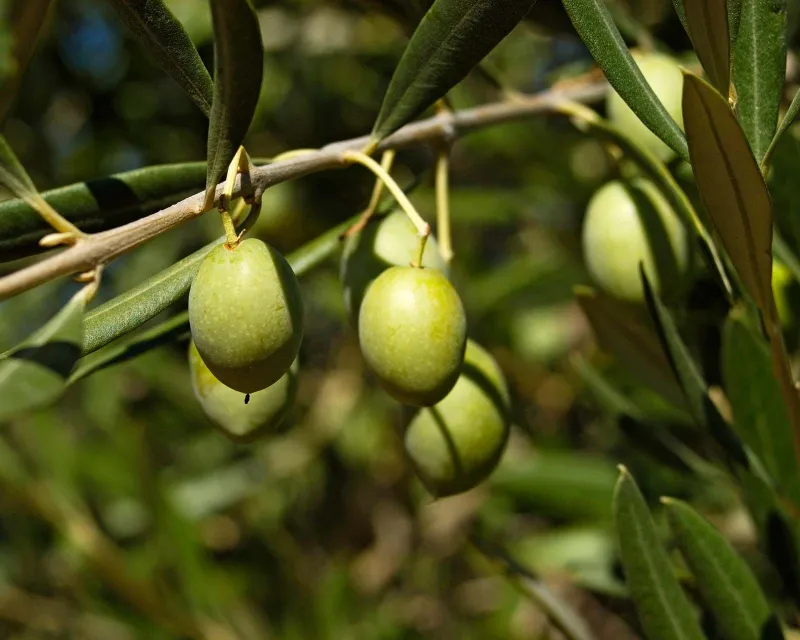
Robust oils arrive early in the harvest, pressed from green olives at peak polyphenol concentration. They announce themselves with assertive bitterness, pronounced pepper, and bold herbal or artichoke notes. They are not shy, and they are not meant to be.
The pairing principle that follows from this spectrum is elegantly simple: match the weight of the oil to the weight of the dish. A robust oil paired with a featherlight preparation will dominate it; a delicate oil drizzled over a slow-cooked lamb shoulder will disappear entirely.
The Second Pillar: Processing Method and What It Reveals
Beyond intensity, the manner in which an oil is produced shapes its character in ways that matter at the table. Cold-pressed, single-estate oils processed within hours of harvest retain volatile aromatic compounds that can be genuinely transformative as a finishing element. They are not intended for high-heat cooking—their complexity is a finishing asset, not a frying attribute.
Filtered oils tend toward clarity and a longer shelf life, making them excellent choices for cooking applications where you want the olive oil's presence to support rather than star. Unfiltered oils, sometimes called cloudy or olio nuovo, carry a more rustic intensity and benefit from being used quickly, ideally within a few months of pressing.
When building a pairing, consider whether the oil will be used as a cooking medium, a sauce component, or a finishing drizzle. That function should guide your selection as much as flavor profile does.
The Third Pillar: Regional Provenance as a Flavor Map
Just as a Burgundy tastes nothing like a Napa Cabernet, a Sicilian olive oil bears little resemblance to a California Arbequina. Regional origin is, in effect, a reliable shorthand for flavor expectation.
Tuscan oils—typically pressed from Frantoio, Moraiolo, or Leccino olives—tend toward robust intensity with vivid green herb notes, pronounced bitterness, and a long peppery finish. They are ideally suited to hearty preparations: ribollita, white bean soups, grilled bistecca, and aged pecorino. The oil's assertiveness finds its match in ingredients that can hold their own.
Sicilian oils, particularly those from the Nocellara del Belice variety, often present a fruitier, rounder profile with tomato-leaf aromatics and a gentler bitterness. They pair beautifully with raw preparations—bruschetta, fresh mozzarella, or a simple Caprese assembled at the height of summer tomato season.
Spanish oils from Andalusia, where Picual olives dominate, deliver a distinctive savory, slightly resinous quality with robust pepper and excellent stability under heat. These are natural partners for roasted vegetables, slow-cooked legumes, and the kind of deeply flavored tapas-inspired dishes that have found a devoted following across American dining rooms.
California oils, which have matured remarkably over the past two decades, span the full intensity spectrum depending on variety and harvest date. Arbequina-based California oils are frequently delicate and creamy, making them exceptional partners for seafood—steamed clams, grilled halibut, oysters on the half shell, or a light citrus-dressed ceviche. Koroneiki-based California oils, by contrast, can rival their Greek counterparts in peppery vigor, suiting them to more assertive applications.
Greek oils, especially those from the Peloponnese pressed from Koroneiki olives, are among the most polyphenol-rich available and bring an almost electric green intensity that pairs magnificently with grilled lamb, roasted eggplant, and sharp feta-based preparations.
A Practical Pairing Framework for the American Table
Rather than memorizing an exhaustive list of rules, consider adopting the following decision process when reaching for a bottle:
- Identify the dish's dominant character. Is it delicate or bold? Raw or cooked? Acidic or rich?
- Determine the oil's role. Will it cook, blend, or finish?
- Select intensity to match or intentionally contrast. Matching is the safer choice; a deliberate contrast—say, a robust oil over a creamy burrata—can be revelatory when done with intention.
- Use regional provenance as a flavor shortcut. When in doubt, pair geographically. Italian dishes with Italian oils, Spanish preparations with Spanish oils. This is not rigid doctrine, but it reflects centuries of culinary logic.
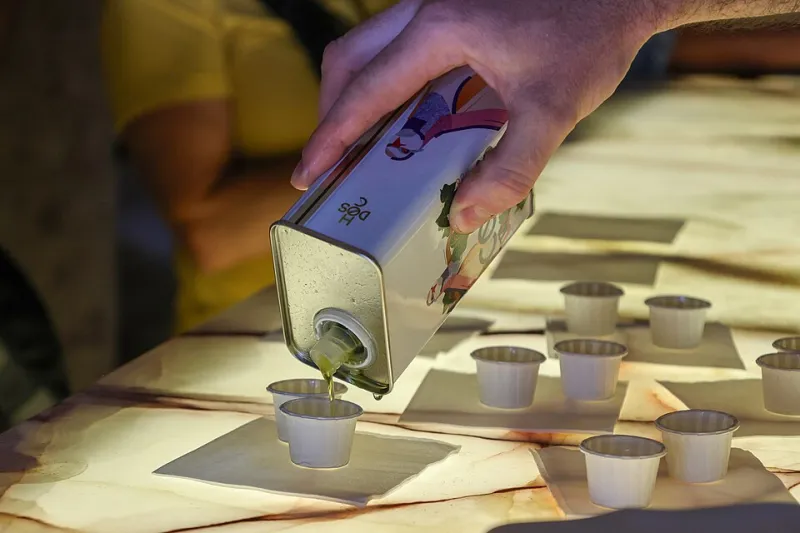
- Taste the oil before you use it. This step, borrowed directly from the sommelier's practice, is the most important habit you can develop. An oil tasted on its own reveals what it will and will not support.
Moving Beyond Price Point
One of the most liberating aspects of this approach is that it shifts the evaluative lens away from price and toward appropriateness. A twenty-dollar bottle of delicate California Arbequina is not inferior to a forty-dollar robust Tuscan oil—it is simply suited to different applications. Building a small collection of two or three oils across the intensity spectrum will serve your cooking far better than a single expensive bottle used indiscriminately.
Think of it as a pantry cellar in miniature: a delicate oil for raw preparations and seafood, a medium oil for everyday cooking and versatile finishing, and a robust oil reserved for the dishes bold enough to carry its weight.
The olive oil sommelier is not a rarefied professional operating beyond the reach of the home cook. The role is available to anyone willing to slow down, taste deliberately, and bring the same curiosity to oil that they already bring to wine, cheese, or coffee. The rewards, as anyone who has experienced a perfectly matched drizzle at the precise moment a dish needed it can attest, are entirely worth the effort.