Curating the Pantry Cellar: An Olive Oil Collector's Handbook for the American Home
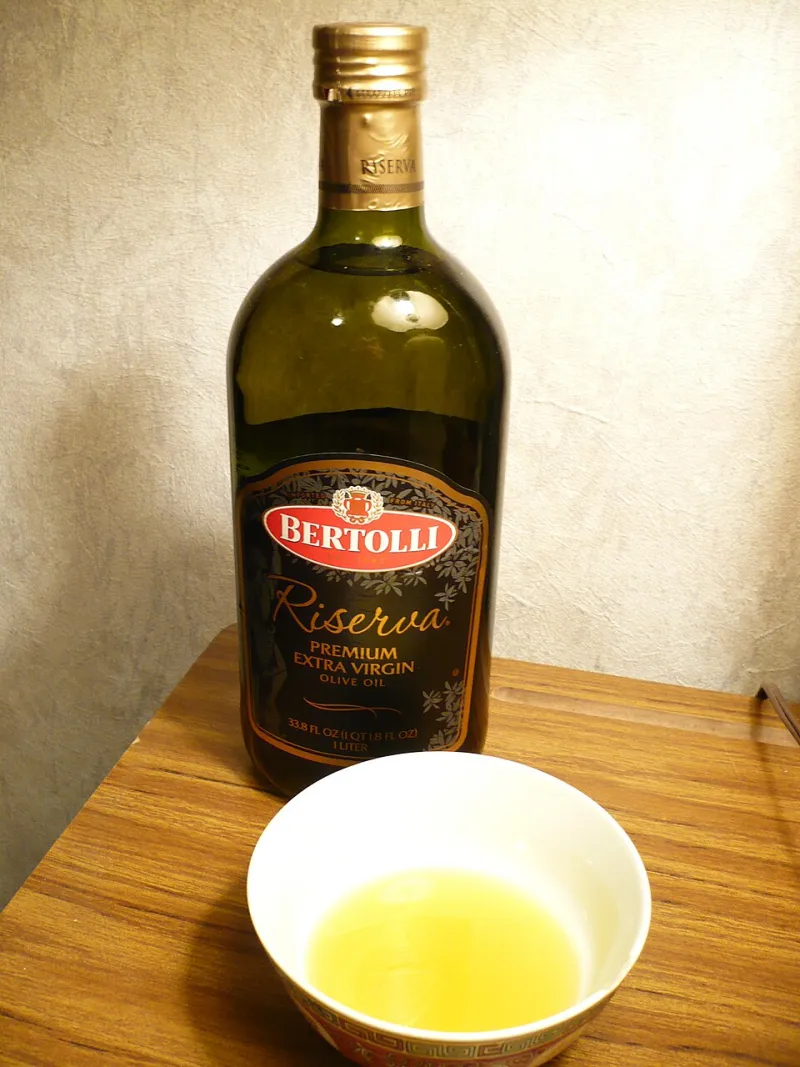
Photo: Badagnani (talk), CC BY 3.0, via Wikimedia Commons
There is a particular pleasure in opening a kitchen cabinet and knowing, with genuine confidence, which oil belongs on the salted crudo, which should finish the braised short rib, and which deserves nothing more complicated than a torn piece of bread. That confidence does not arrive by accident. It is the product of deliberate collection—of treating olive oil with the same organizational intelligence that serious wine drinkers bring to their cellars.
For American home cooks who have begun to appreciate the extraordinary range of premium extra virgin olive oils now available in this country, the next natural step is curation. Not accumulation—curation. The distinction matters enormously.
Why a Collection Rather Than a Pantry Staple?
Most households keep a single bottle of olive oil on the counter, reaching for it indiscriminately across every application. This is the culinary equivalent of drinking the same wine with every course of a tasting menu. Premium olive oils vary as dramatically as fine wines: a peppery, high-polyphenol Sicilian Nocellara behaves entirely differently on the palate—and in the kitchen—than a buttery, mild Arbequina from California's Central Valley. Recognizing that difference, and building a collection that honors it, transforms cooking from a routine into a considered practice.
A well-organized olive oil collection need not be large. Three to five bottles, chosen deliberately and stored correctly, will serve most households with far greater elegance than a dozen bottles acquired without intention.
The Architecture of a Thoughtful Collection
Think of your collection in three tiers, each serving a distinct culinary purpose.
The Everyday Workhorse. This is a high-quality extra virgin oil with a balanced, approachable profile—something from California's Sonoma or Central Valley, or perhaps a mild Spanish Hojiblanca. It handles sautéing, roasting vegetables, and whisking into vinaigrettes without overpowering the dish. It should be good enough to use generously and priced accordingly.
The Regional Specialist. This tier rewards exploration. Consider a single-estate Tuscan oil from the current harvest, a robust Greek Koroneiki, or an early-harvest Picual from Andalusia. These oils carry distinct personality: grassy, bitter, or intensely fruity in ways that make them ideal companions for specific dishes. Pair them thoughtfully—a grassy Ligurian oil alongside a delicate white fish, a forceful Cretan oil drizzled over slow-cooked legumes.
The Finishing Reserve. Reserve your finest bottle for the table rather than the stove. This might be a limited-release unfiltered oil from a small Umbrian producer, or a DOP-certified Sicilian oil with a documented harvest date. Applied with restraint—a small pour over burrata, a thread across a composed salad—it functions as a condiment of genuine distinction.
The Science of Proper Storage
Olive oil is not wine; it does not improve with age. The enemies of quality are heat, light, and oxygen, and they work quickly. An oil that tastes vibrant in November may taste flat and rancid by the following summer if stored carelessly.
The ideal storage conditions are straightforward: a cool, dark location between 57°F and 70°F, away from the stove and out of direct sunlight. A kitchen cabinet positioned away from heat sources is adequate for most households. Avoid the refrigerator for long-term storage—while cold temperatures will not damage the oil, condensation introduced when the bottle returns to room temperature can accelerate oxidation.
Perhaps more important than storage location is bottle selection. Dark glass or tin containers offer meaningful protection against light degradation. If a retailer is selling premium olive oil in clear glass bottles displayed under bright lighting, that alone warrants skepticism about the product's condition.
Finally, pay close attention to harvest dates rather than best-by dates. A bottle labeled "best by 2026" may have been pressed from olives harvested in 2022. For an extra virgin oil at its peak, look for harvest dates within the past twelve to eighteen months.
Developing a Seasonal Rotation Strategy
The most sophisticated collectors align their purchasing with the olive harvest calendar, which differs meaningfully by hemisphere. Northern Hemisphere oils—from Italy, Spain, Greece, and California—are typically harvested between October and January, reaching American retailers from January through spring. Southern Hemisphere oils from Chile, Argentina, and Australia arrive in the late spring and summer months, offering a reliable source of fresh oil precisely when Northern Hemisphere stocks are aging.
A seasonal rotation might look like this: purchase two or three Northern Hemisphere oils in January and February, when the harvest is freshest. By June, transition to a Southern Hemisphere option to maintain the quality of your everyday tier. Return to Northern Hemisphere selections the following winter. This rhythm ensures that your collection is rarely drawing from oils more than a year old.
Building a Tasting Palate
The language of olive oil tasting draws from both wine and culinary traditions. The International Olive Council identifies three primary positive attributes in extra virgin oil: fruitiness, bitterness, and pungency. Fruitiness refers to the aromatic character derived from fresh olives—green apple, fresh-cut grass, tomato leaf, almond, or ripe stone fruit, depending on the variety and harvest timing. Bitterness and pungency, often misread as flaws by newcomers, are actually markers of polyphenol content—the antioxidant compounds that contribute both to health benefits and to the oil's characteristic throat-catch.
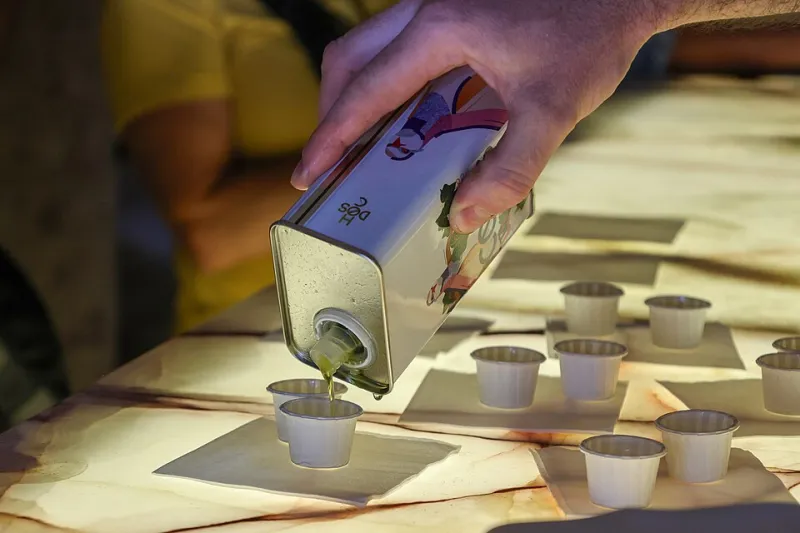
To train your palate at home, conduct simple side-by-side tastings. Pour roughly a tablespoon of each oil into a small glass—a shot glass or wine glass works well—and warm it briefly between your palms. Swirl, inhale, and sip, drawing air across the oil as you would with wine. Note the initial aroma, the mid-palate flavor, and the finish. Does it fade quickly or linger with pepper? Is the bitterness pleasant or harsh?
Keep brief tasting notes. A small notebook or a notes application on your phone is sufficient. Over time, patterns emerge, and your preferences sharpen into something genuinely useful at the point of purchase.
The Rewards of Intentional Collection
Building an olive oil collection is ultimately an act of attention—a commitment to noticing what you pour and why. For the American home cook willing to invest that attention, the pantry becomes something richer than a supply closet. It becomes a curated expression of taste, geography, and season, capable of elevating every meal it touches.
At Glassolive, we believe that premium olive oil deserves exactly this kind of consideration. Liquid gold, as the expression goes, is most rewarding when handled with care.