When the Sommelier Reaches for Oil Instead of Wine: How Fine Dining Is Rewriting the Service Ritual
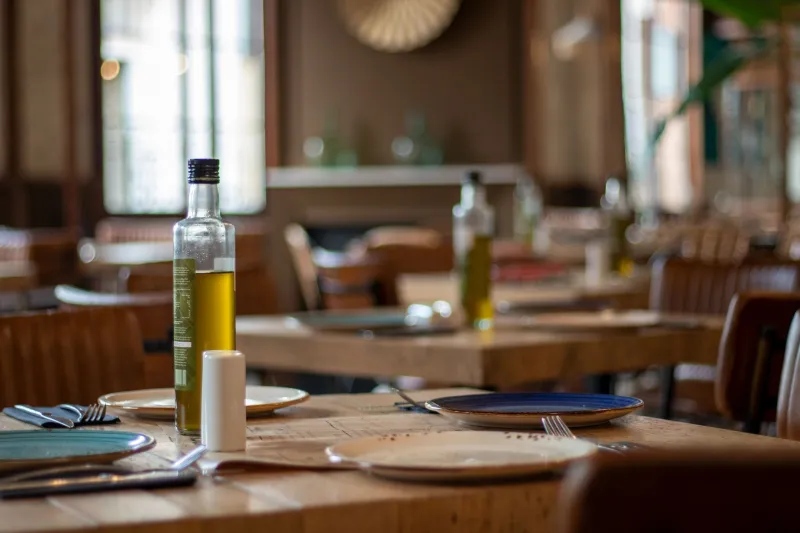
There is a moment in certain upscale American restaurants that would have seemed eccentric, perhaps even pretentious, a decade ago. A sommelier approaches the table, not with a leather-bound wine list, but with a narrow wooden tray bearing three small ceramic vessels, each filled with a different extra virgin olive oil. The explanation that follows — harvest region, cultivar, polyphenol intensity, ideal pairing — mirrors the cadence of a fine wine presentation in nearly every respect. The only difference is the subject.
This is the olive oil sommelier effect, and it is quietly reshaping how Americans understand and experience one of the world's oldest culinary ingredients.
From Afterthought to Opening Act
For most of American dining history, olive oil arrived at the table as a functional gesture — a dipping vessel placed alongside bread, a drizzle applied in the kitchen before a plate departed the pass. Its identity was largely anonymous. The brand, the harvest date, the growing region: none of these details were considered relevant to the dining experience.
That assumption is now being systematically dismantled in dining rooms from Manhattan's West Village to the Napa Valley wine country. Restaurants that have long devoted considerable resources to their beverage programs are beginning to apply the same intellectual rigor to their oil selections. In doing so, they are inviting diners into a conversation about flavor that extends well beyond what arrives in a glass.
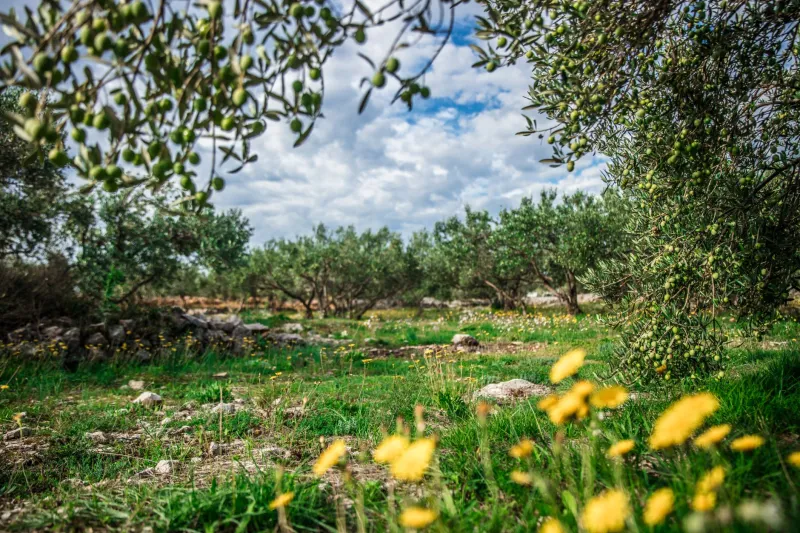
The parallel to wine service is not accidental. It is, in fact, the point. Olive oil, like wine, is an agricultural product shaped by terroir, climate, and human craft. It varies meaningfully from harvest to harvest, from grove to grove, from one pressing method to the next. Treating it with the same reverence that fine dining has long reserved for Burgundy or Barolo is not an affectation — it is a logical recognition of complexity that has always been present, simply waiting for the right stage.
The Training Behind the Pour
The emergence of oil-literate sommeliers in American restaurants did not happen spontaneously. It is the product of a growing body of formal education that has developed alongside the broader premiumization of olive oil culture in the United States.
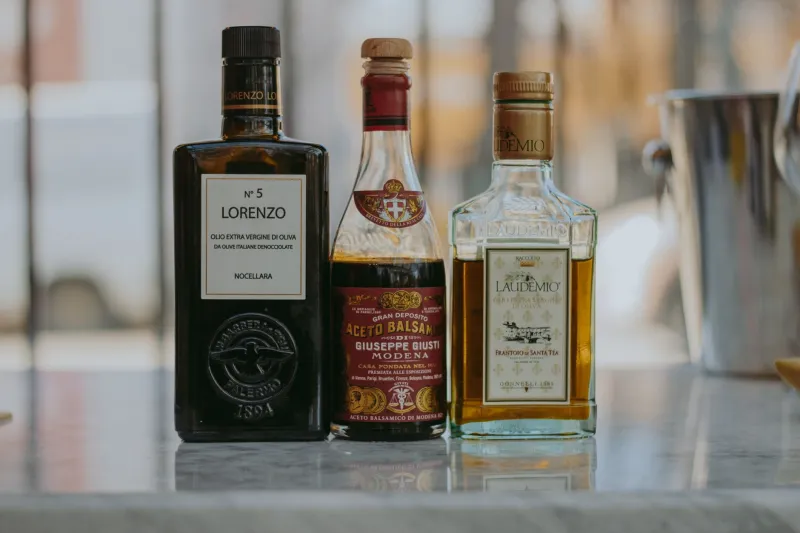
Certification programs offered through organizations such as the North American Olive Oil Association and the Olive Oil Sommelier Certification program have produced a new generation of hospitality professionals who can speak to the distinctions between a Sicilian Nocellara del Belice and a Californian Arbequina with the same fluency they bring to discussing Burgundy versus Beaujolais. These professionals understand acidity levels, peroxide values, and the sensory vocabulary of bitterness and pungency that defines high-polyphenol oils. More importantly, they know how to translate that knowledge into a compelling tableside narrative.
For restaurants, investing in this expertise signals something deliberate about their culinary philosophy. It communicates that every element of the meal has been considered — not merely the protein on the plate or the vintage in the cellar, but the finishing oil that will tie a dish together in the final moments before it reaches a guest.
What the Menu Reveals
The most sophisticated expressions of this trend go beyond a simple tableside pour. Several notable American restaurants have begun incorporating olive oil into their formal tasting menus as a structural element, much as a cheese course or a pre-dessert palate cleanser might function. Guests are offered the opportunity to taste two or three oils in sequence, guided through the progression from a delicate, buttery Ligurian style to a more assertive, peppery Tuscan expression, before a course arrives that has been specifically designed to complement the selected oil.
In some cases, the oil pairing is presented as an alternative or complement to the wine pairing — a non-alcoholic option that carries genuine depth and intellectual interest. This is a meaningful development for a dining public that has grown increasingly curious about sophisticated non-alcoholic experiences at the table.
The menu language surrounding these presentations has also evolved. Terms such as "harvest date," "single-estate," and "cold-extracted" now appear with the same frequency as "single-vineyard" or "old vine" on wine lists. This linguistic shift reflects a broader effort to educate diners in real time, building the vocabulary that transforms a pleasant experience into a lasting understanding.
The American Palate Catches Up
Perhaps the most significant dimension of this trend is what it suggests about the American diner. For years, the conventional wisdom held that American consumers lacked the palate sophistication to appreciate the subtleties of premium olive oil — that bitterness and pungency, the very qualities that signal freshness and high polyphenol content in a fine oil, would register as flaws rather than virtues.
The success of formal oil service in high-end American restaurants challenges that assumption directly. Diners who arrive at these tables are not merely tolerating the bitterness of a robust Coratina or the grassy intensity of a freshly pressed Picual — they are seeking it out. They are asking questions. They are requesting to take home the bottle they tasted at dinner. They are, in short, behaving exactly as wine enthusiasts do when they encounter a producer or vintage that captures their imagination.
This evolution has not occurred in isolation. It is the downstream effect of years of culinary education, food media, and the gradual proliferation of high-quality oils in American specialty retail. Consumers who have learned to read harvest dates, who have sought out single-estate bottles, and who have begun building what might reasonably be called an oil pantry are arriving at restaurant tables already primed for a more sophisticated conversation.
A New Standard for Hospitality
For the restaurant industry, the olive oil sommelier effect represents more than a trend — it represents a recalibration of what exceptional hospitality looks like. The finest dining experiences have always been defined by an obsessive attention to detail, by the conviction that no ingredient is too humble to merit careful selection and thoughtful presentation. Extending that philosophy to olive oil is, in many respects, the logical completion of a project that began decades ago with the farm-to-table movement.
When a sommelier presents a finishing oil at the table with the same care and knowledge brought to a wine recommendation, the message to the diner is unmistakable: everything here has been chosen with intention. Nothing has been left to chance. The oil in that vessel has a provenance, a story, and a flavor profile that has been matched to this meal with deliberate craft.
That message, more than any individual tasting note, is what the finest American restaurants are now communicating through the olive oil service ritual. And for those who have long believed that premium oil deserves a place at the very center of the culinary conversation, the moment feels not merely welcome, but long overdue.