After the Bottle Opens: How Storage, Light, and Heat Quietly Destroy Premium Olive Oil
There is a particular kind of disappointment reserved for the food enthusiast who invests in a genuinely exceptional olive oil — one with a verified harvest date, a respectable polyphenol count, and a provenance worth discussing at the dinner table — only to discover, three months later, that the remaining contents of the bottle have gone flat, waxy, and faintly rancid. The olive oil did not fail. The storage did.
This is one of the more underappreciated realities of working with premium olive oil in the American home kitchen. A great deal of attention is rightly paid to sourcing, certification, and variety. Far less is devoted to what happens after purchase — and yet the post-opening period is precisely when the oil is most vulnerable. Understanding the science of degradation, and the simple practices that slow it, is not a matter of culinary perfectionism. It is the logical conclusion of caring about what you buy.
The Three Enemies: Oxygen, Light, and Heat
Olive oil degrades through a process called oxidation, and it begins the moment the oil is exposed to air. Every time a bottle is opened, a fresh charge of oxygen enters and begins interacting with the oil's delicate fatty acid compounds and polyphenols — the very components responsible for the peppery finish, grassy aroma, and buttery complexity that distinguish a fine extra virgin from a commodity product.
Light accelerates this process considerably. Ultraviolet and visible light both catalyze photo-oxidation, breaking down chlorophyll and other pigment compounds and producing off-flavors at a rate that can surprise even careful cooks. This is why serious producers package their oils in dark glass, opaque tins, or UV-filtering containers. A beautiful clear glass bottle on a sunlit kitchen counter is, from a preservation standpoint, a slow disaster in progress.
Heat compounds the problem further. Elevated temperatures speed up nearly every chemical reaction involved in degradation. Storing olive oil near a stove — an instinct that makes practical sense, given how frequently it is used in cooking — is among the most common mistakes in American home kitchens. The ambient warmth radiating from a range, even when it is not in active use, is sufficient to accelerate rancidity in ways that may not be immediately detectable by smell but are nonetheless diminishing the oil's character with every passing day.
What Rancidity Actually Means
The word "rancid" is often used loosely to describe any olive oil that tastes off. In technical terms, rancidity refers specifically to the oxidative or hydrolytic breakdown of fatty acids, resulting in the production of aldehydes, ketones, and free fatty acids that generate unpleasant aromas — often described as crayons, old walnuts, or stale cooking fat.
A subtler form of degradation, one that many home cooks miss entirely, is the gradual loss of positive attributes before any negative ones fully emerge. The pungency fades. The fruitiness becomes muted. The finish shortens. The oil does not smell bad; it simply tastes like less than it once was. For a finishing oil intended to be drizzled over burrata, spooned onto grilled fish, or used as a dipping companion to artisan bread, this diminishment is not trivial. The entire value proposition of a premium product rests on the presence of those volatile aromatic compounds — and they are the first to go.
The Ideal Storage Environment
The optimal conditions for storing olive oil after opening are, fortunately, neither expensive nor complicated to achieve. The target temperature range is between 57°F and 70°F — roughly the range of a cool pantry, a basement shelf, or an interior cabinet away from any heat source. A dedicated wine cooler, if one is available, offers excellent conditions, particularly for households that maintain multiple open bottles simultaneously.
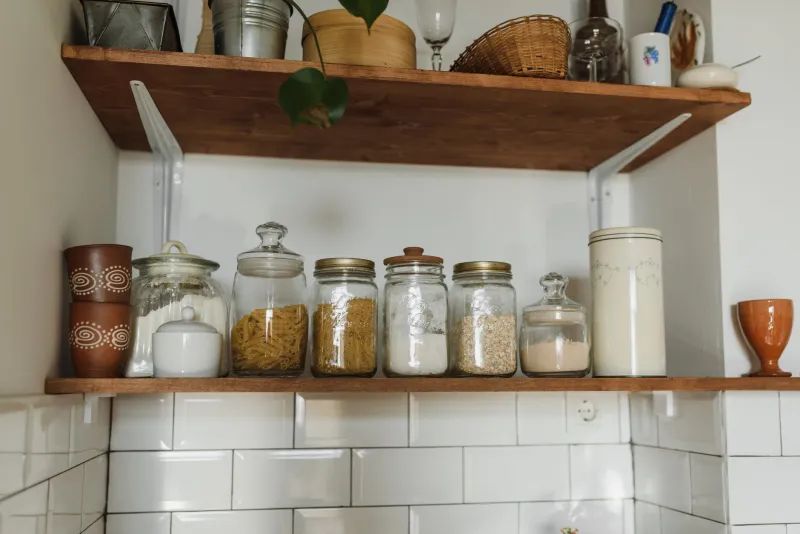
Darkness is non-negotiable. Even a bottle stored at ideal temperatures will degrade faster if exposed to consistent light. Decanting into a smaller, opaque vessel — a dark glass cruet, a quality tin, or a ceramic container with a tight-fitting lid — is a worthwhile practice for any oil that will be used regularly over several weeks. This also reduces the headspace of oxygen above the oil, slowing oxidation incrementally with each pour.
For households that purchase olive oil in larger formats — the one-liter or larger bottles that often represent better value per ounce — consider portioning the oil into two or three smaller, airtight containers upon opening. Use one actively while keeping the others sealed. This approach limits the cumulative oxygen exposure across the life of the bottle and is particularly relevant for oils purchased with the intention of using them over an extended period.
Shelf-Life Realities After Opening
Un-opened, a high-quality extra virgin olive oil stored correctly may remain at peak quality for up to eighteen months from the harvest date. Once opened, however, the practical window of optimal flavor narrows considerably. Most producers and quality-focused retailers suggest consuming an opened bottle within four to six weeks for full flavor fidelity — though a well-stored oil in an opaque container at stable, cool temperatures may hold for up to three months without significant loss.
These timelines challenge a common assumption in American households, where a single bottle of olive oil may sit on the counter for the better part of a year, used intermittently and refilled occasionally with a fresh pour from a larger jug. That pattern, however economical it may seem, is incompatible with the expectations of a premium product. The practice of treating fine olive oil the way one might treat a bottle of vegetable oil — as a near-permanent pantry fixture — is worth reconsidering entirely.
A Note on Container Materials
Not all storage vessels are equally suited to the task. Metal tins, long used by producers in the Mediterranean, remain among the most effective options: they block light entirely, are largely impermeable to oxygen, and do not impart any flavor to the oil. Dark glass is a reliable secondary option, provided the bottle is kept away from direct light. Clear glass, while aesthetically appealing, should be reserved for immediate use or stored in a closed cabinet.
Plastic containers are generally unsuitable for premium olive oil storage. Certain plastics can leach compounds into the oil over time, particularly at higher temperatures, and their permeability to oxygen is higher than that of glass or metal. For an oil whose character is defined by nuance, any contamination — however minor — represents a meaningful compromise.
Treating the Bottle Like the Investment It Is
The American market for premium olive oil has matured considerably in recent years. Consumers are reading harvest dates, seeking out single-estate and single-variety expressions, and approaching olive oil with something approaching the same curiosity they bring to wine or specialty coffee. That is a meaningful cultural shift, and it deserves a corresponding shift in how the product is handled once it arrives home.
A well-sourced, thoughtfully produced olive oil carries within it the labor of a harvest season, the character of a specific landscape, and the intentions of a producer who chose quality over convenience at every step. The least a discerning home cook can offer in return is a cool, dark shelf, a properly sealed container, and the discipline to use it while it is at its best.
The finish line for any bottle of premium olive oil is not the last pour. It is the last pour that still tastes as it should. With a little attention to the conditions in which it is kept, that moment can be preserved far longer than most kitchens currently allow.