No Two Harvests Are the Same: Embracing Vintage Variation as the Hallmark of Genuine Olive Oil
There is a particular kind of disappointment that arrives quietly—when you reach for a bottle of the same Tuscan oil you adored last autumn, drizzle it across a warm bowl of ribollita, and notice that something, however subtly, has shifted. The bitterness is softer. The grassy finish that once lingered on the back of the palate seems to have retreated. The peppery kick that made you cough—just slightly, in that satisfying way—is less assertive than you remembered.
For most American consumers, this experience prompts a reasonable but ultimately mistaken conclusion: that the product has changed for the worse, or that a different batch has found its way into a familiar label. In reality, what you are encountering is one of the most honest signals a bottle of premium olive oil can send you. You are tasting the weather.
Why Olive Oil Behaves More Like Wine Than You Might Expect
The parallel between fine wine and premium olive oil is not merely a marketing convenience—it reflects a genuine agricultural reality. Both products emerge from fruit grown in open fields, subject to every fluctuation that a season can deliver. Viticulturists have long educated consumers about vintage variation, conditioning buyers to understand that a 2019 Barolo and a 2021 Barolo from the same producer are related but distinct expressions of the same terroir. Olive oil deserves the same intellectual framework.
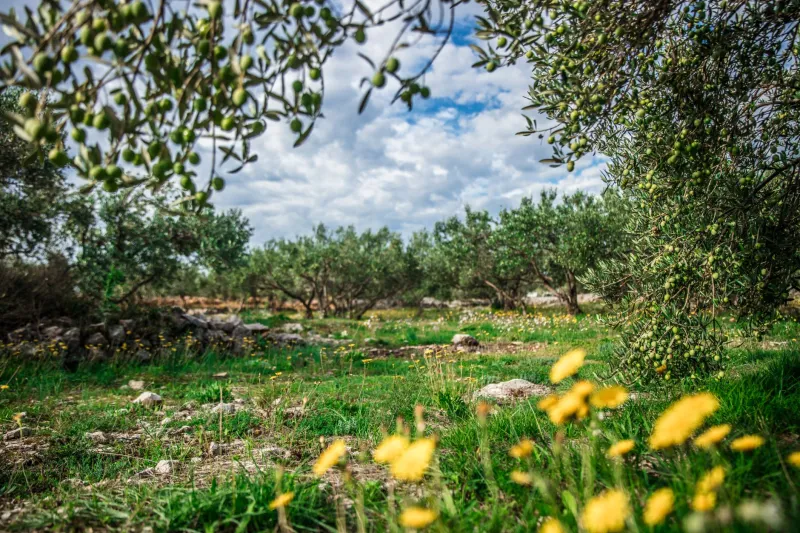
The olive harvest in Italy, Spain, Greece, and California typically runs from October through January, depending on the region and the producer's preferred ripeness window. During those months, the olives have spent the better part of a year accumulating compounds—polyphenols, tocopherols, oleocanthal—that determine not only flavor but also the oil's nutritional profile. Every variable that touched the tree during that growing season is present in the finished oil: the amount of rainfall in spring, the intensity of summer heat, the timing of the first autumn chill, and even the specific week in which the fruit was picked.
A drought year, for instance, tends to concentrate polyphenols, producing oils that are more intensely bitter and peppery—characteristics that many connoisseurs prize. A wet, mild season may yield a softer, fruitier oil with more rounded edges. Neither outcome is inferior. They are simply different chapters in an ongoing conversation between the land and the climate.
The Role of Harvest Timing in Flavor Development
Beyond weather, the producer's decision about when to harvest exerts enormous influence over the final character of the oil. Early-harvest oils—those pressed from olives picked while still predominantly green—are typically higher in polyphenols and deliver a more assertive, complex flavor profile. The trade-off is yield: green olives contain less oil by weight, meaning a smaller return per tree. Producers who choose this path are making a deliberate quality statement.
Later harvests, when the fruit has ripened to a deeper purple or black, produce oils with greater volume but often a milder, more buttery disposition. In any given year, a producer might shift their harvest window by as little as two weeks in response to conditions on the ground—and that decision will be perceptible in the glass.
This is not guesswork or imprecision. It is craft, applied dynamically to a living crop.
What Variation Tells You About Authenticity
Here is the insight that reframes the entire conversation: if an olive oil tastes precisely identical from one year to the next, that uniformity should prompt scrutiny rather than reassurance.
Large-scale commodity producers achieve consistency through blending—combining oils from multiple countries, multiple harvests, and multiple varietals to hit a flavor target that satisfies the broadest possible audience. The result is a product engineered for sameness. It is shelf-stable in its mediocrity, and it tells you nothing about where it came from or when it was made.
A single-estate Italian oil that shifts between vintages is, by contrast, telling you an unfiltered story. The producer has not intervened to mask the character of a particular season. They have trusted the fruit, the land, and the consumer enough to present what the year actually produced. That is transparency. That is provenance. That is the difference between a commodity and a craft product.
How to Navigate Vintage Variation as a Confident Buyer
For American consumers building a more sophisticated relationship with premium olive oil, vintage variation is best approached as an opportunity rather than an obstacle. A few practical principles can help.
Pay attention to the harvest date, not just the best-by date. The harvest or crush date printed on a high-quality bottle tells you when the oil was made. A best-by date, typically set eighteen months to two years from pressing, tells you when it expires. The harvest date tells you what season's story you are tasting.
Keep brief tasting notes. Even a few words jotted in a notebook—or a note on your phone—create a personal record that makes vintage comparison genuinely illuminating. When you open a new bottle from the same producer the following year, you have a reference point. The differences become a narrative rather than a mystery.
Communicate with your retailer or producer. Specialty olive oil retailers and producers who take their craft seriously are typically eager to discuss the character of a particular vintage. Ask what the growing season was like. Ask whether the harvest came early or late. This kind of conversation deepens your appreciation and positions you to make more informed selections.
Recalibrate your expectations seasonally. Just as a thoughtful wine drinker adjusts to the character of a new vintage rather than mourning the previous one, the premium olive oil enthusiast learns to meet each season on its own terms. The oil you are opening today is not a lesser version of last year's bottle. It is a new expression of a familiar place.
The Vintage Mentality and the American Table
American food culture has become increasingly fluent in the language of provenance. The farm-to-table movement, the rise of single-origin chocolate and coffee, and the broader craft beverage renaissance have all conditioned consumers to value the story behind a product—to understand that variation is evidence of authenticity rather than failure of quality control.
Premium olive oil belongs squarely in this conversation. When a bottle from a small Umbrian producer arrives on your table tasting slightly different than it did two years ago, you are not experiencing inconsistency. You are experiencing the particular character of a specific place, in a specific year, shaped by specific hands. That is a form of luxury that no industrial blending operation can replicate.
The terroir that makes Italian wine so endlessly fascinating operates by the same principles in the olive grove. Learning to read those signals—in the color of the oil, the sharpness of the pepper, the depth of the fruitiness—is one of the genuine pleasures available to anyone who takes the time to pour slowly, breathe deeply, and pay attention.
The bottle is different this year. That is precisely the point.