From Grove to Glass: How California, Italy, and Spain Each Pour a Different Story Into Your Olive Oil
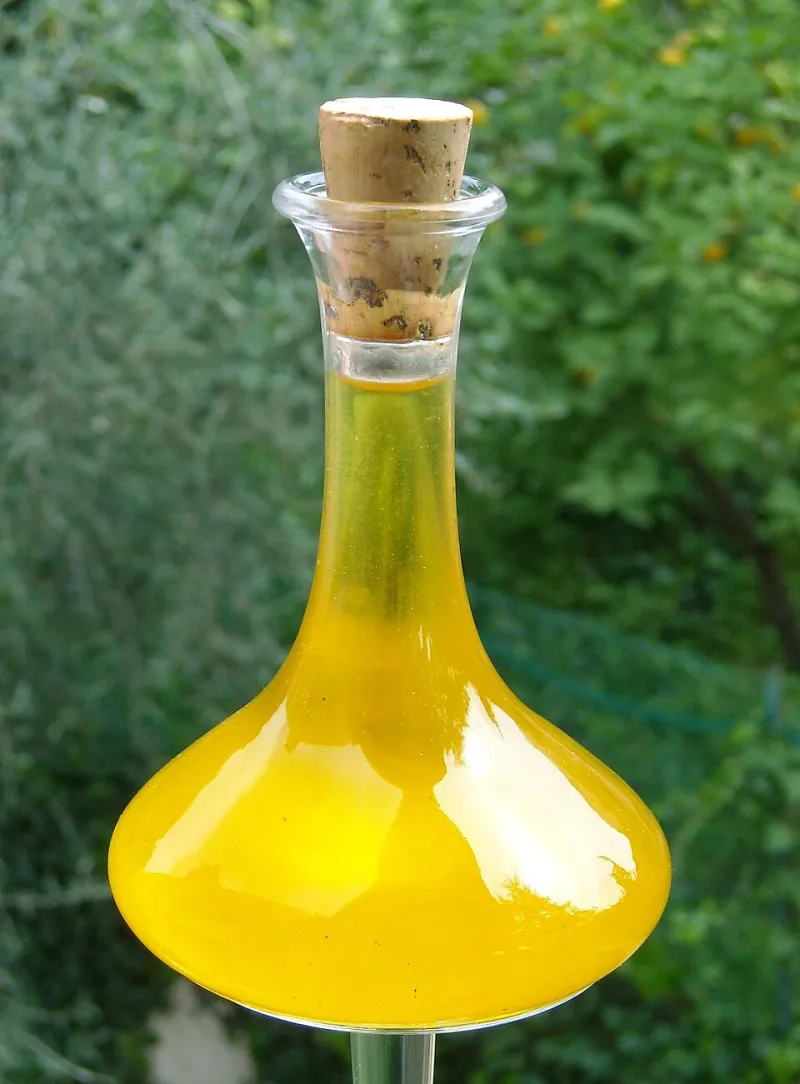
Photo: Lemone, CC BY-SA 4.0, via Wikimedia Commons
When a sommelier speaks of terroir, wine lovers nod with reverence. Yet the same invisible hand that sculpts a Burgundy pinot noir—the convergence of soil composition, altitude, rainfall, and generational farming practice—works with equal sophistication on the olive. The oil pressed from fruit grown in the volcanic clay of Sicily tastes nothing like that harvested from the sun-baked groves of Andalusia, which in turn bears little resemblance to a cold-pressed Californian Arbequina from the Central Valley. Understanding these distinctions is not an exercise in snobbery; it is the first step toward becoming a genuinely intentional cook.
At Glassolive, we believe the bottle on your counter should be a considered choice, not a default. With that in mind, here is a guide to three of the most influential olive oil regions available to American consumers today.
What Terroir Actually Means for Olive Oil
Terroir, borrowed from the French, translates loosely as "a sense of place." In practical terms, it describes how the environment in which an agricultural product is grown leaves a fingerprint on the final product. For olive oil, that fingerprint manifests in bitterness, pungency, fruitiness, color, and the specific aromatic compounds that make one oil taste of green tomato while another evokes ripe stone fruit.
Four primary variables drive these differences: cultivar (the variety of olive), climate (temperature ranges, rainfall, wind exposure), soil type, and harvest timing. A producer who picks early yields a greener, more bitter, higher-polyphenol oil; one who waits for full ripeness produces something rounder, milder, and more golden. Regional tradition often determines which approach prevails, which is why understanding a region is inseparable from understanding the oil it produces.
Italy: Complexity as a Birthright
Italy is, for many American consumers, the default mental image conjured by the phrase "good olive oil." That association is not without merit. The country cultivates more than 500 documented olive varieties across dramatically varied terrain, from the Alpine foothills of Liguria to the volcanic slopes of Mount Etna. This biodiversity produces a spectrum of flavor profiles that no single origin can replicate.
Tuscany offers perhaps the most celebrated Italian oils—typically pressed from Frantoio, Moraiolo, and Leccino olives. These oils are famously assertive: peppery on the back of the throat (a quality produced by the polyphenol oleocanthal), grassy on the nose, and carrying notes of artichoke and fresh herbs. They are oils built for food, not for passive use. Drizzle them over a ribollita, finish a bistecca, or use them to anchor a simple bruschetta.
Sicily, by contrast, tends toward a slightly riper, more golden profile. The Nocellara del Belice cultivar—the same olive eaten as a table olive—yields oils with a buttery texture and notes of almond and tomato leaf. These are excellent finishing oils for seafood dishes and fresh cheeses.
Liguria, tucked along the Italian Riviera, produces delicate oils from the Taggiasca olive. Mild, sweet, and low in bitterness, Ligurian oils complement rather than compete—ideal for mayonnaise, light pasta sauces, and dishes where restraint is a virtue.
Label tip: Look for PDO (Protected Designation of Origin) or IGP certifications on Italian bottles. These indicate geographic authenticity and production standards regulated by the European Union.
Spain: Power, Scale, and Surprising Elegance
Spain is the world's largest olive oil producer, accounting for roughly 40 to 45 percent of global output. That statistic sometimes leads American consumers to associate Spanish oil with commodity-grade bulk production—an association that does considerable injustice to the country's finest estates.
Andalusia, in southern Spain, is the epicenter of Spanish production. The Picual cultivar dominates here, and for good reason: it is hardy, high-yielding, and produces an oil with a distinctive flavor profile—robustly fruity, with notes of fig, tomato, and a clean bitterness that fades quickly. Picual oils also boast exceptional stability, meaning they hold up well to moderate heat applications such as sautéing vegetables or finishing soups.
Catalonia, in the northeast, is home to the Arbequina olive—a small, round fruit that yields a softer, more approachable oil. Arbequina oils tend toward apple, banana, and almond notes, with mild bitterness and a gentle peppery finish. They have become enormously popular in the United States precisely because of this accessibility, making them a natural entry point for consumers transitioning away from generic supermarket oils.
Extremadura and other inland regions produce oils from the Cornicabra cultivar—medium intensity, with a pleasant herbal quality and good longevity in the bottle.
Label tip: The designation "Denominación de Origen Protegida" (DOP) on Spanish bottles signals geographic and quality controls equivalent to the Italian PDO system.
California: The New World Contender
California's olive oil industry is young by Mediterranean standards, but its ambition is unmistakable. The state now produces award-winning oils that compete directly with European imports, and its proximity to American consumers means fresher oil arrives on domestic shelves faster than any transatlantic shipment can manage.
The Central Valley and the foothills of the Sierra Nevada are home to large-scale plantings of Arbequina, Arbosana, and Koroneiki—all cultivars transplanted from their European and Greek origins. California's Mediterranean-like climate (hot, dry summers; mild, wet winters) suits these varieties well, though the results differ meaningfully from their Old World counterparts.
California Arbequina, for instance, tends to be brighter and more citrus-forward than its Spanish equivalent, with less of the stone-fruit softness. California Koroneiki—originally from Greece—often develops a vivid green, grassy quality with pronounced pepper notes. These are oils that reflect both the cultivar's heritage and the particular intensity of California sunshine.
Smaller artisan producers in Sonoma, Napa, and the Santa Ynez Valley are experimenting with single-estate, single-cultivar expressions that rival the intentionality of boutique European producers. Many of these oils carry the California Olive Oil Council (COOC) seal, which enforces extra virgin standards that are, in practice, stricter than the minimum requirements set by international trade bodies.
Label tip: The COOC seal is one of the most reliable quality indicators available to American buyers. It requires sensory panel evaluation in addition to chemical testing.
Choosing the Right Regional Oil for the Right Dish
With this geography in mind, consider the following as a practical starting framework:
- For raw applications and finishing (salads, dipping, drizzling over finished dishes): A peppery Tuscan oil or a bright California Koroneiki will assert itself beautifully.
- For mild seafood, light pasta, or baking: A Ligurian Taggiasca or a California Arbequina provides elegance without overpowering.
- For robust cooked applications (braising, sautéing aromatics, finishing soups): A Sicilian Nocellara or a Spanish Picual offers stability and depth.
- For everyday versatile use: A quality Andalusian Arbequina or a California blend offers balance across multiple cooking scenarios.
A Final Word on Freshness
Terroir matters enormously—but so does the harvest date printed on the bottle. Olive oil does not improve with age. It is a fresh-pressed fruit juice, and it should be treated accordingly. Regardless of regional origin, an oil more than 18 to 24 months past its harvest date has already begun to lose the volatile aromatics and polyphenols that make premium oil worth the investment. Always purchase from retailers who rotate stock diligently, and store your oil away from heat, light, and air.
The world's olive-growing regions each have something singular to offer. The table you set deserves the full benefit of that diversity.