First Press, Best Dressed: The Case for Spring Harvest Olive Oils on the American Table
Photo: Renee Comet (Photographer), Public domain, via Wikimedia Commons
There is a moment in the olive grove — brief, almost theatrical — when the fruit is neither fully ripe nor entirely green, suspended in a state of maximum potential. Producers who harvest at this precise window, typically in early spring in Southern Hemisphere regions or late autumn in Mediterranean climates, capture something that later-season oils simply cannot replicate. For American home cooks and professional chefs alike, understanding this distinction is the first step toward making informed, rewarding choices at the specialty foods counter.
The Science Behind the Season
Olive oil is, at its core, a fresh fruit juice. The chemistry of the olive changes dramatically as the fruit matures on the branch. Early-harvested olives — those picked when they have just begun to turn from deep green to a faint violet blush — contain significantly higher concentrations of polyphenols, the antioxidant compounds responsible for both the oil's health-promoting properties and its characteristic peppery, slightly bitter finish.
Chlorophyll levels are also elevated in young fruit, lending early-harvest oils their distinctive green-gold hue and contributing grassy, herbaceous aromatic notes. As olives continue to ripen through late autumn and into winter, polyphenol concentrations decline, chlorophyll breaks down, and the resulting oil becomes softer, rounder, and more buttery — qualities that are entirely desirable in their own right, but represent a fundamentally different flavor experience.
The oleocanthal content of early-harvest oils deserves particular attention. This naturally occurring compound, responsible for the throat-catching sensation familiar to anyone who has sampled a robust Tuscan or Greek oil, functions as a natural anti-inflammatory agent. Research published in nutrition science journals has repeatedly linked high-polyphenol olive oils to cardiovascular benefits, making the premium price point an argument not only for the palate but for long-term wellness.
Tasting Notes: What to Expect in the Glass
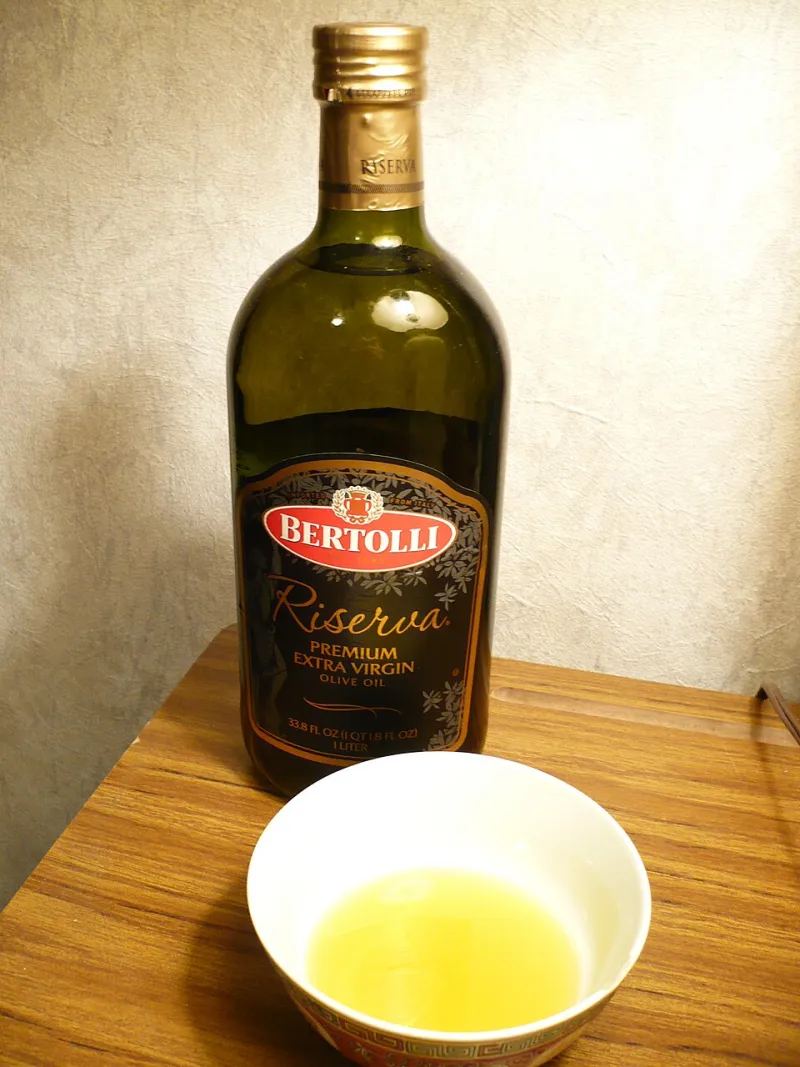
Approaching a quality spring harvest oil with the same deliberate attention one might give a fine wine reveals a layered sensory experience. Pour a small measure into a dark glass or a ceramic tasting cup — the traditional tool of professional olive oil judges — and warm it briefly between your palms.
On the nose: Expect pronounced aromas of freshly cut grass, green tomato, artichoke, and sometimes a faint note of raw almond or green apple. Some Sicilian and Cretan early-harvest oils carry a distinctive hint of fresh herbs — rosemary, wild fennel — that speaks directly to the landscape in which the trees grow.
On the palate: The entry is typically clean and assertive, with a pleasing bitterness that coats the sides of the tongue. The mid-palate often reveals layers of ripe stone fruit, green banana, or even a subtle floral quality. The finish — and this is the hallmark of a genuinely excellent early-harvest oil — delivers that characteristic peppery burn at the back of the throat, a sign of high oleocanthal content and a marker the industry calls "positive bitterness."
Late-harvest oils by comparison present a softer, more approachable profile: ripe fruit, mild sweetness, and a gentle, almost buttery finish with little to no pepper. Neither is superior in an absolute sense; they simply serve different culinary purposes.
The Price Conversation: Is It Worth It?
Quality early-harvest olive oils in the American market typically retail between $28 and $65 for a 500ml bottle, with single-estate, certified limited-release expressions occasionally exceeding that range. A reliable everyday extra-virgin oil, harvested at full ripeness and blended for consistency, generally falls between $12 and $22 for the same volume. The gap is real, and it warrants honest examination.
The premium reflects several converging factors. Early-harvest olives yield significantly less oil per unit weight than fully ripe fruit — sometimes as little as half the volume — meaning producers must process more raw material to fill each bottle. Expedited cold-pressing, meticulous sorting, and the logistical demands of a compressed harvest window all contribute to elevated production costs. Limited quantities and the growing international demand for certified high-polyphenol oils complete the pricing picture.
For American consumers navigating these options, the practical calculus is straightforward: reserve your finest early-harvest oil for applications where it will be tasted directly and prominently. Finishing a bowl of hand-torn burrata, dressing a simple arugula salad with nothing but flaky sea salt and a squeeze of lemon, or drizzling over warm crusty bread — these are the moments when a spring harvest oil earns every cent of its price. Sautéing vegetables, building a pasta sauce, or emulsifying a salad dressing that includes a dozen competing ingredients? A well-made, fresh everyday oil performs admirably and preserves your premium bottle for its highest calling.
What American Chefs Are Saying
Across the country, from farm-to-table restaurants in the Pacific Northwest to ambitious home kitchens in New England, there is a growing literacy around olive oil quality that mirrors the evolution American consumers have already undertaken with coffee, wine, and craft spirits. Chefs who once specified only "extra-virgin" on their purchasing lists are now requesting single-origin, harvest-dated oils with documented polyphenol counts.
This shift is not mere culinary fashion. It reflects a deeper understanding that the finishing oil — the last ingredient to touch a dish before it reaches the table — carries disproportionate influence over the final flavor. A generous pour of a vibrant, peppery Koroneiki varietal oil over a bowl of simply prepared white beans transforms a humble preparation into something worth discussing. That transformation is the value proposition of a spring harvest oil in its most tangible form.
Storage, Freshness, and the Harvest Date
Purchasing a premium early-harvest oil and then storing it improperly is among the more avoidable disappointments in the specialty foods world. Light, heat, and oxygen are the three adversaries of olive oil quality. Seek bottles in dark glass or tin, store them away from the stove and windowsills, and plan to use the oil within six to eight weeks of opening.
Perhaps the single most useful piece of information on any olive oil label is the harvest date, not the "best by" date. A bottle pressed in April of this year and purchased in October is meaningfully fresher than one pressed two years ago regardless of what the expiration date suggests. Reputable producers and specialty retailers — including those who take provenance as seriously as we do at Glassolive — make harvest date information readily accessible.
A Final Word on Investment
The finest spring harvest olive oils are, by their nature, ephemeral. They arrive in limited quantities, they evolve in the bottle over months, and they eventually give way to the next season's press. There is something genuinely worth honoring in that cycle — a reminder that exceptional flavor is inseparable from place, time, and care. Whether you are exploring your first bottle of high-polyphenol early-harvest oil or deepening a practice you have cultivated for years, the investment repays itself in every considered pour.