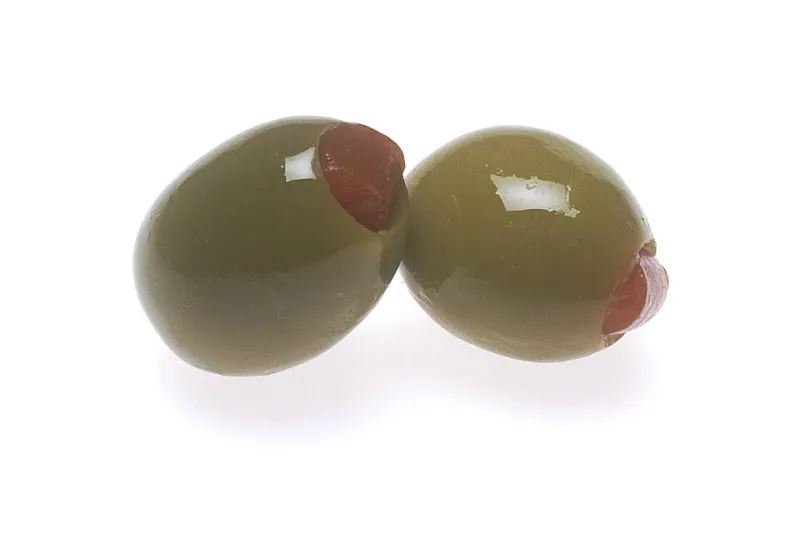
Liquid Gold, Unlocked: 7 Surprising Ways to Use Premium Finishing Olive Oil in Your Everyday American Kitchen
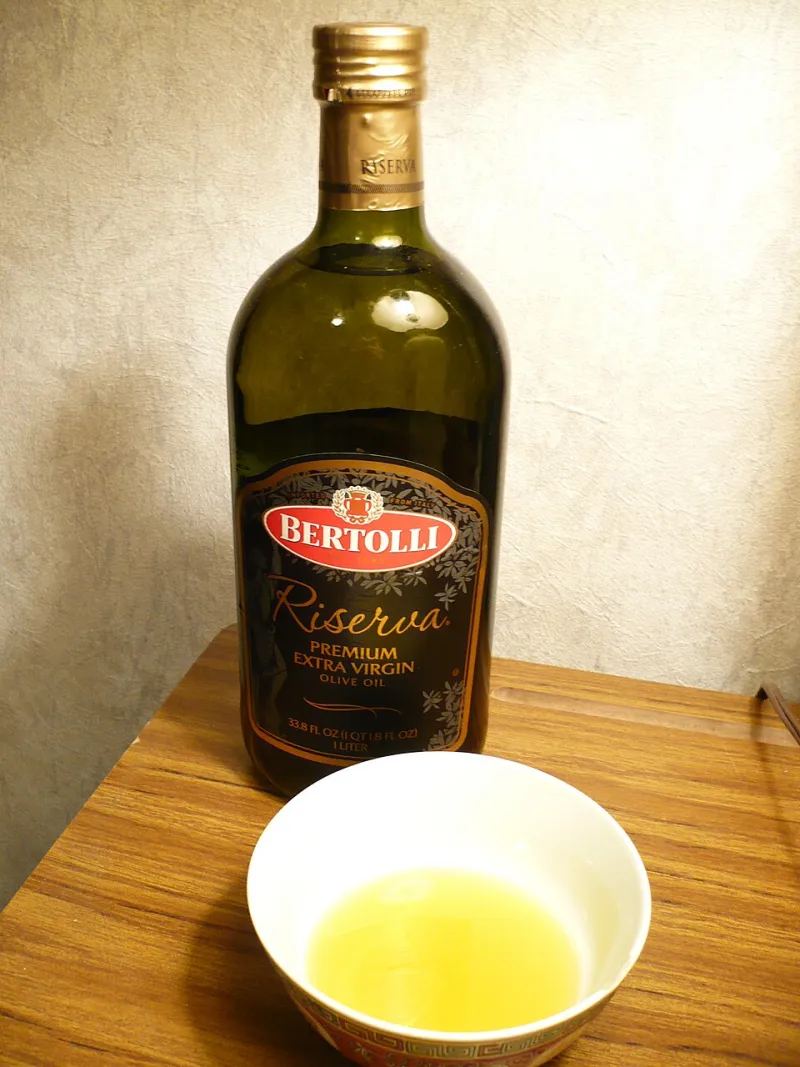
Photo: Badagnani (talk), CC BY 3.0, via Wikimedia Commons
If your bottle of fine finishing olive oil spends most of its life next to the vinegar on the pantry shelf, emerging only for salad nights or the occasional bruschetta, you are leaving a remarkable ingredient dramatically underutilized. Premium olive oil — the kind pressed from carefully selected fruit, harvested at peak ripeness, and bottled with attention to freshness — is one of the most versatile flavor tools in a well-stocked kitchen. The following seven applications may challenge your assumptions about where this liquid gold belongs.
1. Drizzled Over Vanilla Ice Cream with Flaky Salt
This combination reads as counterintuitive until the moment it touches your tongue. A generous pour of a fruity, medium-intensity finishing oil over a scoop of high-quality vanilla ice cream, finished with a few flakes of Maldon or fleur de sel, produces a dessert that is simultaneously familiar and startling. The fat in the ice cream amplifies the oil's aromatic compounds, drawing out notes of green apple, ripe stone fruit, or fresh herbs depending on the varietal.
Technique tip: Choose an oil with a relatively gentle pepper finish for this application — a Arbequina from California or a mild Ligurian Taggiasca works beautifully. Use approximately one tablespoon per serving and add the salt last so it retains its texture. A small drizzle of wildflower honey is an optional but complementary addition.
2. Finishing a Grilled Ribeye or Strip Steak
The American steakhouse tradition has long relied on compound butter as the finishing fat of choice. Olive oil offers a compelling alternative — one that adds brightness and complexity rather than richness layered upon richness. The key is timing: the oil should be applied after the meat has rested, not before or during cooking, so that its volatile aromatic compounds are not lost to heat.
Technique tip: Allow your steak to rest for five minutes after removing it from the grill or cast iron. Slice against the grain, then drizzle one to two tablespoons of a robust, peppery oil — a Coratina or a bold California blend works well here — directly over the cut surface. The warm meat will gently warm the oil without cooking it, releasing its full aromatic range. A few fresh thyme leaves and cracked black pepper complete the presentation.
3. Stirred Into Morning Coffee
The practice of adding fat to coffee has gained considerable traction in American wellness culture over the past decade, typically in the form of butter or coconut oil. A high-quality, mild finishing olive oil offers a more nuanced alternative. Some Italian and Spanish cafés have served olive oil coffee — known in certain regional traditions as a morning tonic — for generations, and the practice is finding an appreciative audience among American specialty coffee enthusiasts.
Technique tip: Begin with a single teaspoon of a delicate, low-bitterness oil — a fresh Arbequina or a light Picual — added to a double espresso or a strong pour-over. The oil creates a silky mouthfeel and subtly rounds the coffee's acidity. This is emphatically not the place for an assertive, high-polyphenol early-harvest oil; restraint in varietal selection is essential. Blend briefly with a small milk frother for an emulsified texture.
4. Folded Into Mashed Potatoes
Butter has an undisputed claim on the American mashed potato tradition, but olive oil — used either in place of or alongside butter — introduces an entirely different dimension. The technique is standard in southern Italian and Greek home cooking and translates effortlessly to the American table. The oil contributes a savory depth and a subtle fruity quality that butter, for all its virtues, cannot replicate.
Technique tip: After ricing or mashing your potatoes, fold in warmed whole milk or cream first to achieve your desired consistency, then finish with three to four tablespoons of a medium-intensity finishing oil per pound of potatoes. Avoid over-mixing once the oil is incorporated, as the starch will tighten. A final drizzle over the surface of the bowl before serving, with a scattering of fresh chives, makes the preparation unmistakably intentional.
5. Drizzled Over Dark Chocolate Desserts
The pairing of olive oil and dark chocolate is one of the most elegant flavor combinations in the contemporary pastry repertoire, embraced by pastry chefs from New York to San Francisco. The bitterness in high-cacao chocolate finds a complementary echo in a peppery finishing oil, while the fat in both ingredients creates a textural harmony that is genuinely luxurious.
Technique tip: Try this application first on a simple dark chocolate bark or a flourless chocolate cake. Use a teaspoon of oil per serving, applied just before the dessert reaches the table. A finishing oil with pronounced herbal or grassy notes — a Tuscan blend or a robust Greek Koroneiki — pairs particularly well with chocolates above 70% cacao. A pinch of smoked sea salt bridges the flavors.
6. Whisked Into Scrambled Eggs
The French tradition of finishing scrambled eggs with a knob of cold butter is well established. Its olive oil equivalent — incorporating a tablespoon of fine finishing oil into eggs just as they leave the heat — produces a result that is lighter, more aromatic, and distinctly Mediterranean in character without being foreign to an American breakfast table.
Technique tip: Cook your eggs low and slow in a non-stick or well-seasoned pan, removing them from the heat while still slightly underdone. Immediately add one tablespoon of a mild, fruity finishing oil and fold it gently through the eggs as residual heat completes the cooking. The oil should not be added to the pan before cooking — it is a finishing element, not a cooking fat in this context. Fresh herbs, a grind of pepper, and good toast complete the plate.
7. Poured Over Fresh Ricotta or Cottage Cheese
This may be the simplest application on this list and, for that reason, one of the most persuasive demonstrations of what a quality finishing oil actually does. A generous pour of vibrant, fresh olive oil over a bowl of whole-milk ricotta, served with torn bread or crackers, is a preparation that requires almost no skill and delivers immediate, tangible results. The oil transforms a mild, somewhat plain dairy product into something that tastes considered and complete.
Technique tip: Seek out the freshest ricotta available — a local dairy or a good Italian market is preferable to a standard supermarket tub. Spread the ricotta in a shallow bowl, drizzle with two tablespoons of your finest finishing oil, and season with flaky salt, cracked pepper, and a few leaves of fresh basil or a light dusting of dried chili flakes. Serve immediately. This preparation works equally well as an appetizer before a dinner party or as a quick, satisfying lunch.
A New Framework for a Familiar Ingredient
The thread connecting all seven of these applications is the same principle that guides every decision at Glassolive: premium ingredients reveal their full potential only when they are treated as the centerpiece of a preparation, not as background players. A finishing olive oil applied with intention — timed correctly, paired thoughtfully, and used generously enough to register on the palate — elevates even the most ordinary meal into something worth savoring.
The American kitchen has never been more receptive to this kind of ingredient-forward thinking. The tools are already in your pantry. The only adjustment required is a willingness to reach for that bottle in places you have not considered before.