Beyond the Familiar Bottle: Rediscovering Europe's Hidden Olive Oil Traditions
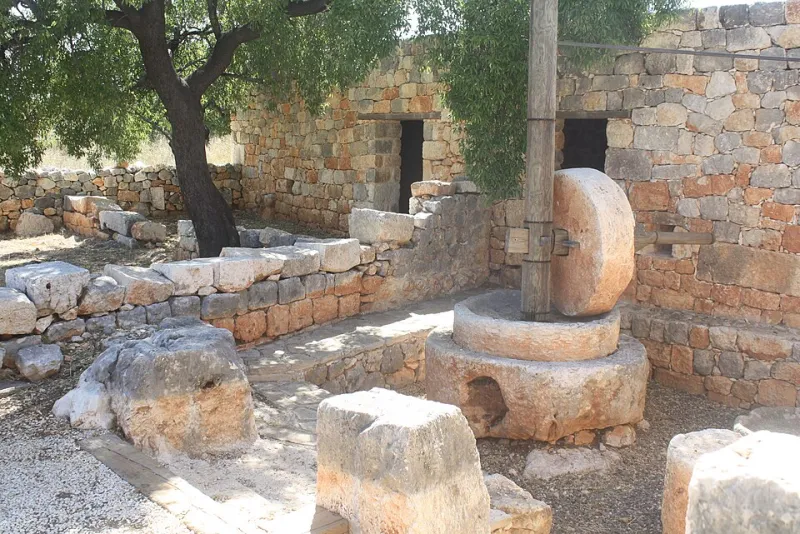
Photo: REHBER0770, CC BY-SA 4.0, via Wikimedia Commons
The American pantry has made remarkable progress. Where once a generic supermarket bottle represented the full extent of most households' olive oil vocabulary, today's food-conscious consumers are comfortable distinguishing a Spanish picual from a Tuscan frantoio, debating harvest dates, and seeking out certified extra-virgin oils from reputable estates. That progress deserves acknowledgment—and then, gently, a challenge.
Because beyond the well-mapped territories of Tuscany and Andalusia lies a broader Mediterranean world of olive oil tradition that remains largely invisible on American shelves and almost entirely absent from American cooking conversations. Greek green oils pressed from unripe koroneiki olives. Single-estate oils from the sun-baked plains of Portugal's Alentejo. The haunting, mineral-edged oils of Turkey's Aegean hinterland, pressed from varieties whose names most Americans have never encountered. These are not curiosities. They are masterworks—and they belong on your table.
Greece: The Green Oil That Time Forgot
Greece is one of the world's largest producers of olive oil by volume, yet it remains curiously underrepresented in the American premium market. The country's most celebrated variety, the koroneiki, is a small, intensely flavored olive cultivated throughout the Peloponnese and Crete. Harvested early, while still green, it produces an oil of striking vibrancy—vivid with notes of fresh-cut herbs, green apple, and a pronounced peppery finish that lingers long after the swallow.
These early-harvest Greek oils are among the most polyphenol-rich in the world, a fact that has drawn increasing attention from nutritional researchers. But for the cook, the more immediate appeal is purely sensory: a high-quality koroneiki extra-virgin oil possesses a structural intensity that makes it an extraordinary partner for robust preparations.
For the American home cook, consider using a premium Greek green oil as the finishing element on a slow-roasted leg of lamb, whisked into a lemon-forward vinaigrette for a grain salad, or drizzled over a bowl of Greek-style white beans with wilted greens. The oil's assertiveness complements rather than competes with bold, earthy flavors. It also holds up beautifully to the acidity of tomatoes—a consideration worth keeping in mind during peak summer cooking.
Portugal: The Quiet Perfectionist
If Greece represents olive oil's vivid, exuberant side, Portugal offers its contemplative counterpart. The Alentejo, that vast, sun-drenched plateau stretching across southern Portugal, has been producing olive oil for millennia, yet its finest estates remain almost entirely unknown to American consumers.
Portuguese single-estate oils, often produced from native varieties such as galega, cordovil, and cobrançosa, tend toward a softer, more rounded profile than their Spanish or Italian counterparts. A well-made galega oil may offer notes of dried herbs, ripe stone fruit, and a gentle almond sweetness on the finish—qualities that make it exceptionally versatile at the table.
Importers who specialize in Iberian specialty foods have begun making inroads with these oils in cities with established food cultures, but they remain a genuine discovery for most American cooks. Chefs who have worked with Portuguese producers describe the experience of tasting a great Alentejo oil as encountering something both ancient and surprisingly modern—a flavor that feels both deeply traditional and entirely relevant to contemporary cooking.
At the table, Portuguese olive oil finds its ideal expression in preparations that allow its quieter complexity to speak: finishing a simple pasta with clams and white wine, enriching a potato-based soup such as caldo verde, or serving alongside good bread and aged sheep's milk cheese. The oil does not demand attention; it rewards it.
Turkey: Ancient Varietals, Forgotten Heritage
Turkey's relationship with the olive is older than that of most European nations—Aegean olive cultivation in Anatolia predates the Roman Empire by centuries—yet Turkish olive oil occupies almost no space in the American specialty food imagination. This is a significant oversight.
The country's Aegean coast, particularly the regions around Ayvalık, Edremit, and Milas, produces oils from heritage varietals that offer flavor profiles unlike anything available from mainstream European producers. The memecik variety, widely grown in the Aegean, yields an oil with a distinctive character: softer on the palate than a typical Italian oil, with subtle notes of green almond, wildflower, and a mineral quality that reflects the ancient, well-drained soils of the region.
Single-estate Turkish producers, many of them operating small family farms that have changed little over generations, are beginning to attract the attention of specialty importers who recognize the category's potential. For the American cook willing to seek these oils out—through specialty retailers, online importers, or the growing number of Turkish and Middle Eastern food markets in major cities—the reward is access to a flavor tradition of genuine historical depth.
Turkish heritage oils pair with particular distinction alongside mezze-style preparations: drizzled over hummus or whipped feta, used to dress a roasted eggplant salad, or incorporated into a pilaf. They also perform beautifully as a finishing oil for grilled fish, where their gentle character allows the protein's own flavor to remain primary.
Bringing These Traditions to the American Kitchen
The practical challenge for American cooks interested in exploring these regional traditions is availability. Unlike the major Italian and Spanish brands that have secured distribution through national retailers, many of the finest Greek, Portuguese, and Turkish producers work with small importers whose products may require more deliberate sourcing—specialty food stores, online retailers with a focus on Mediterranean imports, or direct relationships with importers who attend food shows such as the Fancy Food Show in New York or the Good Food Mercantile in Chicago.
The effort is worthwhile. Building a small collection of oils from different traditions—perhaps one robust early-harvest Greek oil, one soft and rounded Portuguese pressing, and one mineral-edged Turkish heritage variety—provides a range of culinary tools that no single-origin pantry can replicate. Each oil speaks a different dialect of the same ancient language, and learning to hear the distinctions is one of the more pleasurable forms of culinary self-education available to the home cook.
At Glassolive, we hold that the most meaningful olive oil experiences are often those that arrive as genuine surprises—flavors that do not confirm what you expected but instead expand what you believed possible. The Mediterranean world has been pressing liquid gold for thousands of years. Some of its most compelling chapters have yet to be written into the American pantry story. Now is an excellent time to begin reading them.